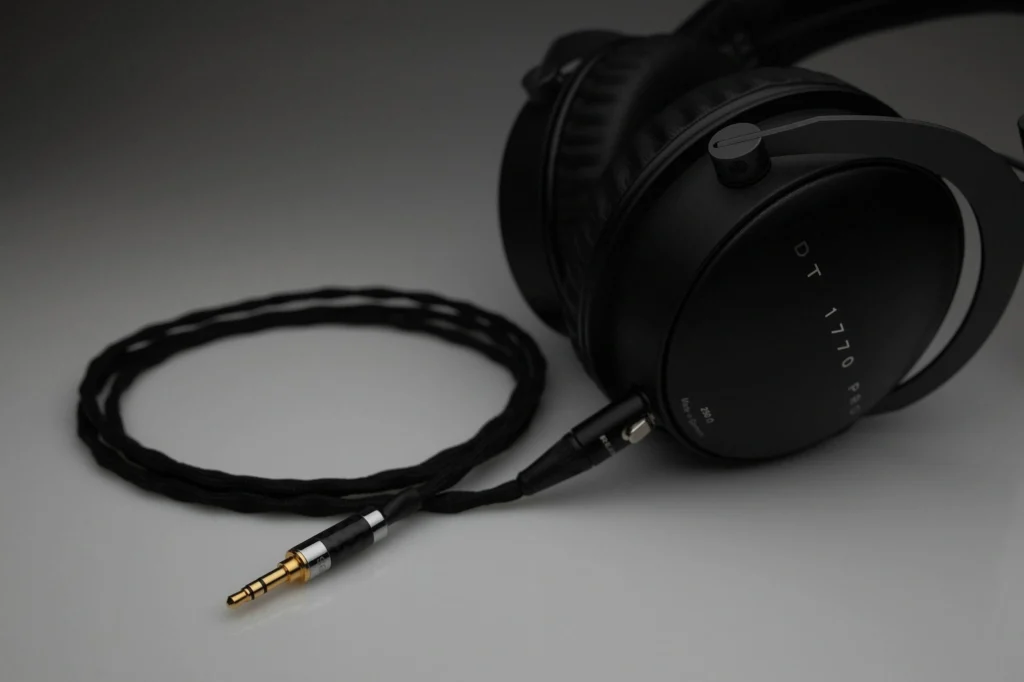
If you’ve ever used headphones, you’re likely familiar with the various headphone plug sizes. These connectors play a crucial role in delivering audio from devices to your ears. Among the most common sizes are the 2.5 mm and 3.5 mm audio jacks. Understanding these headphone plug sizes can enhance your audio experience and ensure compatibility with your devices.
Content
Difference between Headphone Plug Sizes
Physical Differences
Headphone plugs come in various sizes, but the two most prevalent are the 2.5 mm and 3.5 mm audio jacks.
2.5 mm Audio Jack: Often referred to as a sub-miniature TRS connector, the 2.5 mm jack is notably smaller than its 3.5 mm counterpart. This compact size makes it ideal for older phones and communication devices, where space is at a premium. It typically features a simpler construction, meaning it may lack some advanced features found in larger jacks.
3.5 mm Audio Jack: Known as the standard size for most modern headphones, the 3.5 mm jack is widely used in smartphones, laptops, and gaming consoles. Its larger diameter allows for a more robust connection and generally accommodates a wider range of audio features, including stereo sound and microphone capabilities.
Compatibility
Headphone plug sizes have evolved over time, with the 2.5 mm jack being the older technology. Thus, it supports fewer modern systems.
2.5 mm Jack Devices: These connectors are typically found in older models of cordless phones and two-way radios. While they function efficiently with lower power requirements, they are less common in today’s mainstream audio devices. Users may encounter challenges finding replacement headphones or adapters specific to this size.
3.5 mm Jack Devices: The 3.5 mm audio jack is the go-to standard for most headphones and earphones today. Its compatibility spans across most smartphones, laptops, and portable audio players, making it a versatile choice. It can also support a variety of audio formats, enhancing the listening experience.
Connector Types
The type of connector you choose significantly influences performance and audio quality.
TRS (Tip, Ring, Sleeve): Both 2.5 mm and 3.5 mm jacks can be found in TRS configurations, which support stereo audio output and help minimize noise. This configuration is suitable for basic audio applications where a microphone is not required.
TRRS (Tip, Ring, Ring, Sleeve): This connector adds an extra conductor, allowing for microphone functionality. While both sizes can have TRRS configurations, the 3.5 mm version is more prevalent in modern devices. This is important for users who want to use headphones for calls or voice commands.
Audio Quality
The size of the headphone plug does not inherently affect audio quality. Instead, the device’s digital-to-analog converter (DAC) and the quality of the audio source play critical roles in determining sound fidelity. However, 3.5 mm jacks are generally associated with higher-quality audio devices because they are more commonly found in such setups. It’s important to note that using low-quality cables or connectors can still impact overall sound quality, regardless of size.
Adapters
To maximize compatibility between devices, adapters are available to convert between 2.5 mm and 3.5 mm jacks. When using an adapter, ensure it supports the correct TRS or TRRS configuration for your specific needs. This flexibility allows users to connect older headphones to newer devices or vice versa, ensuring a seamless audio experience.
Advantages of Each Headphone Plug Sizes
Benefits of 2.5 mm Jacks
Compact Design: Ideal for devices with limited space, such as older phones and some compact audio equipment.
Less Weight: Lighter cables can reduce the overall weight of portable audio setups.
Benefits of 3.5 mm Jacks
Widespread Compatibility: The 3.5 mm jack is found in almost all modern devices, making it a universal choice for headphones and audio equipment.
Enhanced Features: Many 3.5 mm headphones come with additional features like inline microphones and volume controls, improving usability.
Superior Audio Quality: Generally paired with higher-quality audio devices, contributing to a better overall listening experience.
Conclusion
Understanding headphone plug sizes is essential for a seamless audio experience. Both the 2.5 mm and 3.5 mm jacks offer unique advantages and compatibility options. By leveraging adapters when necessary, you can enjoy your favorite audio across various devices without any hassle. Whether you’re using older equipment or the latest smartphones, knowing the differences between these headphone plug sizes ensures you get the most out of your audio experience. Keep exploring your options, and enjoy the sound quality that fits your needs!
FAQs
Can I use a 2.5 mm headphone with a 3.5 mm device?
No, you cannot directly use a 2.5 mm headphone with a 3.5 mm device. However, you can use an adapter to convert the sizes.
Is there a sound quality difference between 2.5 mm and 3.5 mm plugs?
No, the size itself does not impact sound quality. The DAC and audio source quality are more significant factors.
How can I identify a TRS versus a TRRS connector?
A TRS connector has two bands, while a TRRS connector has three. The latter is essential for devices that require microphone input.
Richard Wright is a blogger with a passion for technology who has been writing about the latest in the world of gadgets and gizmos. They are an avid reader of Science-Fiction novels and love to spend time with their wife and kids.